
How to avoid Torrent Scams on Unknown Sites
Torrenting is a convenient and simple method of acquiring big files, although not every torrent website is legitimate. Torrent Scams on Unknown Sites are becoming more common as numerous unrecognized torrent platforms lure people with free movies, software, or games disguised behind fake links and malicious downloads. Even users searching for popular platforms like Pirate Bay may accidentally land on fake clone sites designed to trick them. By 2025, users are even more vulnerable to sophisticated phishing tactics and counterfeit Torrent Scams on Unknown Sites sites. One should remember that a single wrong click can lead to malware, stolen personal data, or even identity theft.
The privacy and devices can be secured by learning on how to spot scams and safe browsing. Being a first-time or a veteran user of torrents, it is essential to use only the sites you can trust and the tools that are safe. This guide will describe the principle of the Torrent Scams on Unknown Sites and the ways to detect the fake sites as well as download safely without endangering yourself.
Learning about Torrent Scams.
Torrent scams are misleading methods employed by cybercriminals in order to take advantage of the people browsing the internet in search of free files. These frauds may be in the form of fake download buttons, misleading advertisements or imitated websites that look like reliable Torrent Scams on Unknown Sites. When they are clicked, they can take you to phishing sites or can automatically install malicious software into your system. In other instances, fraudsters even go to the extent of using bogus torrents in order to sell ransomware to hold your information until you pay.
The other frequent scam is false misleading magnet links which redirect the user to irrelevant sites rather than the legitimate Torrent Scams on Unknown Sites clients. When users find out that they have been fooled, the systems might be already compromised. The first step to ensure your data is safe and that you are not violating your privacy as you torrent is to understand these risks.
How to Find Fake Torrent Websites.
The counterfeit Torrent Scams on Unknown Sites websites are usually similar to the reputable websites such as The Pirate Bay or 1337x and thus they are hard to tell at a glance. A red flag that is one of the biggest is the one that has a web address that does not appear to be a replica of the official site (like letters are not included or some symbols are added to the web address). These cloned URLs are used by the scammers to deceive users to believe that they are accessing legitimate sources. Another indicator of a bogus site is an overload of obtrusive advertisement or coerced redirection.
Legitimate torrent sites are typically designed in a clean manner with few pop-ups and download buttons. Fraud websites, however, redirect users to malicious websites with clicking on the links of the type Download Now or Watch in HD. Always ensure that you are sure of what you are downloading by checking the domain and confirming the source before downloading anything.
Avoiding Fake Torrent Files
Although a Torrent Scams on Unknown Sites may appear to be legitimate, there is a possibility that some of the files uploaded are counterfeit or dangerous. To entice users, cybercriminals tend to masquerade virus, trojans, or keyloggers as famous movies, applications, or games. Another sure method of identifying fake torrents is through the comments and reviews section, most users will complain about oddly sized files or missing material, and then it is prudent to avoid it. Watch out, too, of torrents whose file sizes are very small or very large than should be the case.
Legitimate torrents are usually uploaded by trusted users or they have a badge of trust beside their names. These are certified torrents and should always be used because they are filtered in terms of authenticity and safety. Checking the history of uploaders and community ratings will allow reducing the risk of downloading malicious or incomplete files.
VPNs in Torrenting Safety.
VPN is necessary when torrenting since it will mask your IP address and will also encrypt your online activity. With no VPN, the internet service providers or hackers are able to track what you have downloaded or even the IP address back to where you are. An effective VPN is also useful to circumvent local restrictions and blocks which do not allow you to access safe and reliable torrent websites. Most of the torrent specialists suggest premium VPNs, including NordVPN, Surfshark, or ExpressVPN, in 2025, as these are considered the most secure.
A VPN will keep your information confidential in case you visit a dangerous location by mistake. It provides a safe tunnel between your gadget and the torrent server and your identity is not known to potential fraudsters. This additional security feature renders VPNs among the most significant tools of secure torrenting.
The recognition of Malicious Ads and Pop-Ups.
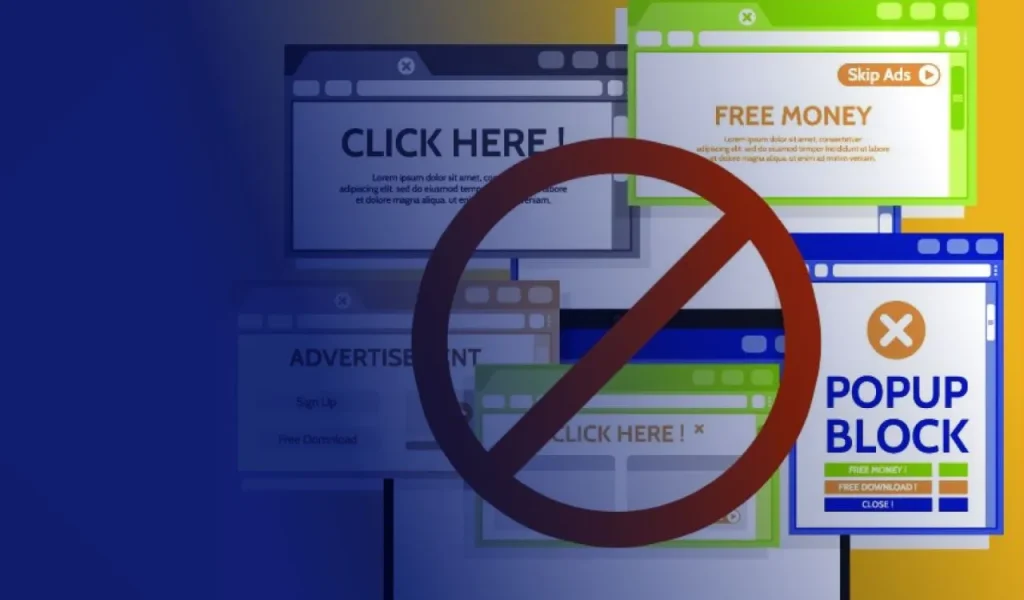
The simplest method of scammers to deliver malware or redirect users is through ads on unknown torrent sites. You may encounter the pop-ups with the proposal of the high speed downloads or accessing to the exclusive movies that collect your personal information. Most of these advertisements automatically download files which can infect your system. An ad blocker is one of the safe measures one should install before accessing any torrent site.
Also, do not click on the banners that promise to increase your internet speed or provide you with the premium access to the torrents at no cost. These are typical tricks of being trapped in frauds. An all-inclusive combination of a powerful browser extension, antivirus software, and a VPN is a very good protection against these dangers.

Checking the Authenticity of the Torrent Before Downloading.
One should also make sure that the torrent is authentic and safe before downloading any file. Check file information, such as size, upload date and seeders and leechers. The file that has no comments or has a realistic amount of seeders could be a scam. The community feedback on the readings and comparing it to the similar torrents can assist you in finding suspicious uploads.
Reputation system is commonly used by trusted torrent sites to put emphasis on verified uploaders. Use these tested accounts because the content that is uploaded is checked regarding malware and quality. A couple of minutes spent on verifying the authenticity of torrents will save you hours of post-hoc cleaning or even loss of data in the future.
Safe Downloading Habits
Safe torrenting is more than taking VPNs it is about having responsible downloading habits. Always save files into a special folder which you scan frequently with the antivirus programs. Never run downloaded files without verifying their type as well as scanning them. As an example, a movie torrent is supposed to have video (.mp4 or .mkv) files, not executable files (.exe).
You can also download only a few torrents at a time, which will make you better organized and less risky. Make sure you update your torrent client and do not use old versions which might be having unpatched vulnerabilities. The only long-term way to protect yourself against the scams of torrents is through safe downloading practices.
Legal and Ethical Inconsideration.
Torrenting is legal but downloading copyrighted content without authorization is not. Most fraudsters take advantage of individuals who desire free access to paid information by masquerading pirated information as authentic. To be on the safe side it is always advisable to use legal, open-source or public domain torrents. These are open software, educational materials, and licensed media.
Ethical torrenting practices can not only help you to avoid the legal risk, but also allow you to contribute to the fair use of content. Peer-to-peer sharing has a positive aspect that can be preserved by making a contribution to legal torrent communities. Keep in mind your reputation and safety on the Internet are much better than free downloads.
FAQs
Conclusion
Thinking and smart browsing can help in avoiding torrent scams on sites that are not known. Always use tested torrent sites, VPNs as well as check files before downloading. Do not use flashy advertisements or links that look suspicious and make sure that your antivirus software is turned on. Being cautious will ensure that your data is secured, your privacy is not compromised and that your system is clean.
Torrenting will remain a safe and convenient practice in 2025 provided it is done responsibly. You can use the knowledge of awareness, security devices and ethics and still have the pleasure of using the torrents without being deceived by a scam or a virus. Always be vigilant, use your judgment, and only download things that are valid and have known and reputable sources.