
VPN: How to Use and Use Safely and Legally
A Virtual Private Network, also referred to as a VPN, is a tool that encrypts your internet connection and ensures your actual IP address is not revealed to websites, internet service providers, or torrent platforms like Pirate Bay. VPNs are increasingly popular among people who want to maintain privacy, protect their personal information, and access content safely from anywhere in the world. They provide a secure channel for online activities, preventing hackers or malicious actors from intercepting sensitive data. Nonetheless, using a VPN comes with responsibilities and legal considerations that users must be aware of to avoid misuse.
A proper use of VPN will guarantee the security and legal and service regulations. A lot of individuals use VPNs only due to the ability to overcome limits, yet the main goal is to protect privacy and secure communication. This manual will discuss all the fundamentals of VPN and legal applications, as well as installation procedures, security measures, and pitfalls to avoid. At the end of it, you will be able to know how to use VPN effectively, safely, and legally.

What is a VPN?
A VPN is a technology which establishes a secure and encrypted tunnel between your device and the internet which is run by a remote server controlled by a VPN provider. Any traffic that goes through the internet is channeled into this tunnel and neither websites nor the ISPs can detect your real IP address or online actions. This will keep your browsing history as well as sensitive information confidential and out of sight of third parties. VPNs can also be used in order to make yourself look like you are surfing somewhere else and access geo-blocked material without breaking laws.
VPNs apply sophisticated encryption algorithms like the open VPN, wireguard or IKEv2 to ensure that your data cannot be read by unauthorized parties. You may consider it as writing letters in a locked box and not an open mail box. Although VPNs ensure privacy of your internet traffic, some metadata is accessible to your VPN provider, thus it is imperative to ensure that your VPN provider has a strict no-logs policy. To be guaranteed privacy and security online, it is important to choose a reliable VPN.
Legal Uses of VPN
In the vast majority of countries, VPNs are not prohibited by law and have a number of valid applications to protect the security and privacy of the user. The second most widespread application is the protection of personal information when using the public WiFi networks at cafes, airports, hotels, or any other places of public use. The public networks are not always safe, and they are the most desired by hackers. When linked to a VPN, any sensitive data such as passwords, banking, and personal messages are coded and secured against cybercriminals.
The other legal application is to access the internal network of your company remotely. There are numerous companies where employees are supposed to have VPNs to enable them to securely access internal resources when travelling or working remotely. VPNs also enable people to remotely access their personal home network, manage files or monitor devices with security. VPNs also come in handy in ensuring that the browsing patterns of users are not tracked by the ISPs to use in advertisements and this allows users more control over their personal information.
Choosing a Safe VPN Provider
It is essential to choose a trustworthy VPN provider to have protection. Find providers that have a transparent no-logs policy that ensures no internet browsing history of yours is kept. Check with third-party audits and cybersecurity checks. Read the policy of privacy of checks with care to know what kind of information is gathered and whether it is stored to be shared with third parties or governments. The user’s privacy should be of the utmost importance to a reliable provider.
Also, you must make sure that your VPN is encrypted using high encryption like AES-256 that is deemed to be very secure. The multiple country server in providers enables the performance and flexibility in accessing the content which is legally available in other regions. Check reviews to ascertain reliability, speed and quality of customer care. Free VPNs should be avoided because they usually sell user information or add advertisements that violate privacy and do not serve the goal of a VPN.
VPN Setup Guide
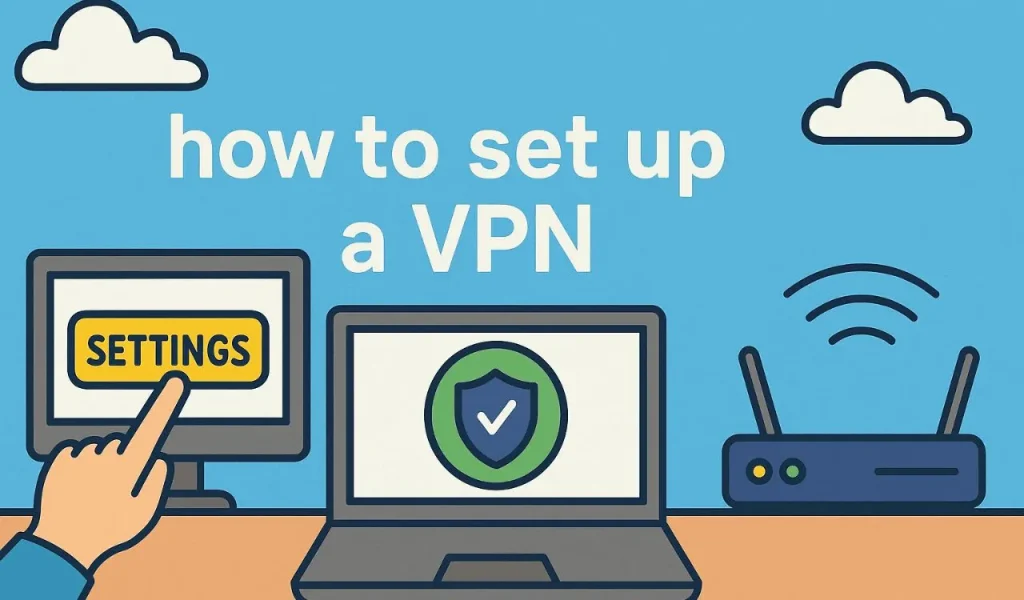
It is not complicated to install a VPN and does not need any technical skills. To start with, you have to select a well-known provider and install its official application on your device. Register and choose a subscription plan that suits you whether monthly, annually or otherwise. The majority of VPN applications are compatible with various devices such as windows, Mac, Android, and iOS.
Once it has been installed, go through the setup instructions, log in, and choose a server location. A simple press of the connect button will create a safe VPN tunnel that will encrypt your online traffic and conceal your IP address. When it is attached, everything that is done online using the VPN is safe and it is possible to surf the web, access networks remotely and keep privacy. It is important to update the VPN app regularly to stay out of harm with new vulnerabilities.
VPN Security Best Practices
It is possible to ensure maximum security by ensuring that you update your VPN application at any given time. Patches and fixes are contained in updates and guard against any emerging threats. Turn on the kill switch option that will automatically cut off your internet connection in case the VPN fails suddenly so that your actual IP is not revealed. Always make sure you have strong encryption settings and also make sure the settings do not have options that can leak DNS requests.
Apply the VPN to all the devices such as smartphones, tablets and computers because cyber threats are present in all the connected devices. Always connect to the VPN and then input the sensitive information such as passwords, banking details or personal documents. Verify the VPN by visiting a Web site to verify that it shows the VPN server IP. Constant checkups will provide normal protection in all online sessions.
Common VPN Mistakes to Avoid
Most users are misguided into thinking that a VPN renders them totally anonymous. Although it enhances privacy, providers of VPN can still keep some information unless they have a strict no-logs policy. The free VPNs should not be used because they can sell your information or have malware. Another thing to watch is that servers in countries where privacy laws are weak should be avoided since the provider is likely to be coerced into providing data.
VPNs are not immune to viruses, phishing, and malware, and other security tools are required. Use a different password and keep abreast with the security news of your provider. It is also possible to improve performance and avoid vulnerabilities by disconnecting every now and then and reconnecting to a new server. Proper use of VPN is associated with effective cybersecurity practices.
VPN Performance Tips
The slow speed of VPN can be attributed to overcrowded or remote servers. Performance can be enhanced by switching to a less overloaded server or one in a more geographically convenient location. A basic internet speed test can be used to identify whether you are experiencing slow internet performance as a result of VPN or your Internet Service Provider.
Turn off unwanted background applications and web extensions that use up bandwidth. Select VPN protocols like WireGuard which scales speed and security than the older protocols like Open VPN. To improve the stability, it is possible to shut down unused tabs and restart the VPN app. The optimization of the settings guarantees privacy and the unhindered internet performance.
FAQs
Conclusion
The safe and lawful use of VPN is crucial in securing your privacy as well as online information. With a good VPN, your internet traffic is encrypted and your IP address is concealed, which will not allow any third party to track you. Maximum protection is guaranteed by picking a reliable provider with good security practices.
With proper practices, you can prevent making the usual mistakes and knowing about the legal factors to gain privacy online without jeopardizing security or committing crimes. With the rightly established VPN, you will be able to navigate, work and consume content around the world without going to an unethical and moral morass, as well as without breaking the law.